

Fertility + Hormones + Health + Lifestyle
Welcome to the blog
How to Get Pregnant After Age 35
Trying to get pregnant after 35? Dr. Natalie Crawford explains fertility testing, ovulation timing, egg quality, and when to seek help early.

Fertility Diet: What to Eat When Trying to Get Pregnant
Learn what to eat when trying to get pregnant with Dr. Natalie Crawford’s guide to fertility foods, inflammation, protein, fats, and carbohydrates.
Endometriosis Is More Than Period Pain: Symptoms, Treatment & Fertility with Dr. Mallory Stuparich
Could your symptoms be endometriosis? Dr. Mallory Stuparich explains diagnosis, treatment options, excision surgery, and fertility planning.

IUI Cycle Explained: Success Rates, Sperm Counts and What to Expect
IUI cycle explained by Dr. Natalie Crawford: learn success rates, sperm-count thresholds, who IUI helps, what happens, and when to reassess.
Hypothalamic Amenorrhea: Why Your Period Disappears and How to Get It Back
Missing your period? Learn how hypothalamic amenorrhea, stress, underfueling, and low estrogen affect ovulation and what recovery may require.
Trying to Conceive: 5 Common TTC Mistakes and What to Do Instead
Trying to conceive? Dr. Natalie Crawford explains 5 TTC mistakes that you should avoid if you’re trying to get pregnant.
Fertility Q&A: Failed IVF Transfers, IUI, Embryo Banking, and More
Dr. Natalie Crawford answers fertility questions about failed IVF transfers, IUI, embryo banking, low AMH, progesterone, and treatment protocols.

Egg Freezing Explained: Process, Success Rates & Best Age to Start
Egg freezing explained by fertility doctor Natalie Crawford: learn the process, best age, success rates, egg numbers, recovery, and embryos vs. eggs.
Perimenopause Symptoms: The Early Signs You May Not Recognize with Dr. Alicia Robbins
Still having regular periods but not feeling like yourself? Dr. Alicia Robbins explains early perimenopause symptoms, hormone changes, and treatment.

Ovulation Explained: Signs, Symptoms & How to Know If You’re Ovulating
Ovulation explained by fertility doctor Natalie Crawford: learn ovulation symptoms, tracking signs, fertile timing, and when to seek an evaluation.
Egg Quality: Can You Improve It Naturally in 90 Days? What Actually Helps?
In this episode of the As a Woman podcast, reproductive endocrinologist Dr. Natalie Crawford explains the 60-to-90-day process of egg development and why age is only one part of the egg-quality conversation. She explores how nutrition, inflammation, mitochondrial health, blood sugar, sleep, stress, exercise, supplements, and environmental exposures may shape the ovarian environment during this critical window.

GLP-1 and Fertility: What to Know Before Trying to Get Pregnant
GLP-1 and fertility explained by Dr. Natalie Crawford, including ovulation, egg quality, Ozempic babies, pregnancy safety, and when to stop.

Will You Ever Want Sex Again? Low Libido, Hormones & Desire with Dr. Kelly Casperson
Dr. Natalie Crawford sits down with board-certified urologist Dr. Kelly Casperson, author of “You Are Not Broken” and “The Menopause Moment,” to explain why women may stop wanting sex, how testosterone and estrogen affect sexual health, and what to discuss with a clinician when something feels different. They also examine birth control and SSRI side effects, hormone therapy, vaginal estrogen, and why women’s sexual health deserves greater attention.
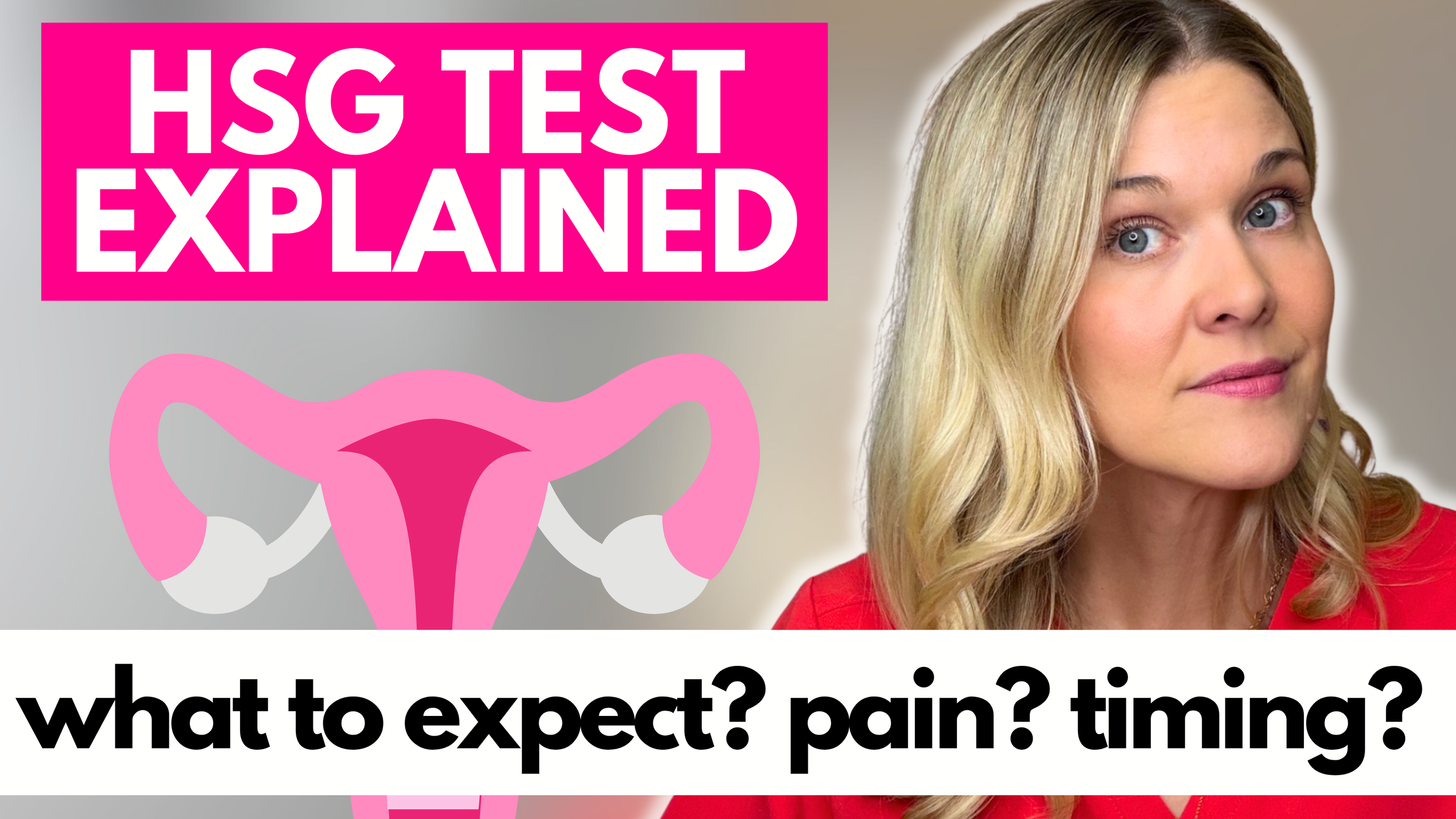
HSG Test: What to Expect, Does It Hurt, and What Your Results Mean
HSG test explained by fertility doctor Dr. Natalie Crawford, including timing, pain, blocked tubes, hydrosalpinx, and what results may mean.
FERTILITY Q&A: Ovulation, Recurrent Loss, IUI, PMOS, and More
When your cycles are regular, your ultrasound looks normal, or you have been pregnant before, how do you know when it is time to look deeper?

Trying to Get Pregnant Naturally After 40? Start Here.
Learn how to get pregnant naturally after 40 with Dr. Natalie Crawford’s guide to fertility testing, egg quality, ovulation, and timing intercourse.
The Biggest Birth Control Myths (and What's Actually True)
Hormonal birth control is surrounded by misinformation, making it difficult to separate fact from fear. In this episode, Dr. Natalie Crawford and board-certified OB/GYN Dr. Fran Haydanek break down the most common birth control myths, examine what the evidence actually shows, and discuss how women can make informed decisions about their reproductive health with confidence.
Getting Pregnant After Miscarriage: How Long Should You Wait?
How long do you wait to get pregnant after a miscarriage? It depends on the type of loss. A fertility doctor explains what has to happen before you try again.

The Biggest Fertility Myths That Could Delay Pregnancy
In this episode, Dr. Natalie Crawford breaks down some of the most common fertility myths that cause confusion, guilt, and delays in getting help. She explains what really matters for your reproductive health in clear, practical language, without scare tactics or blame, so you can feel more informed and in control of your next steps.
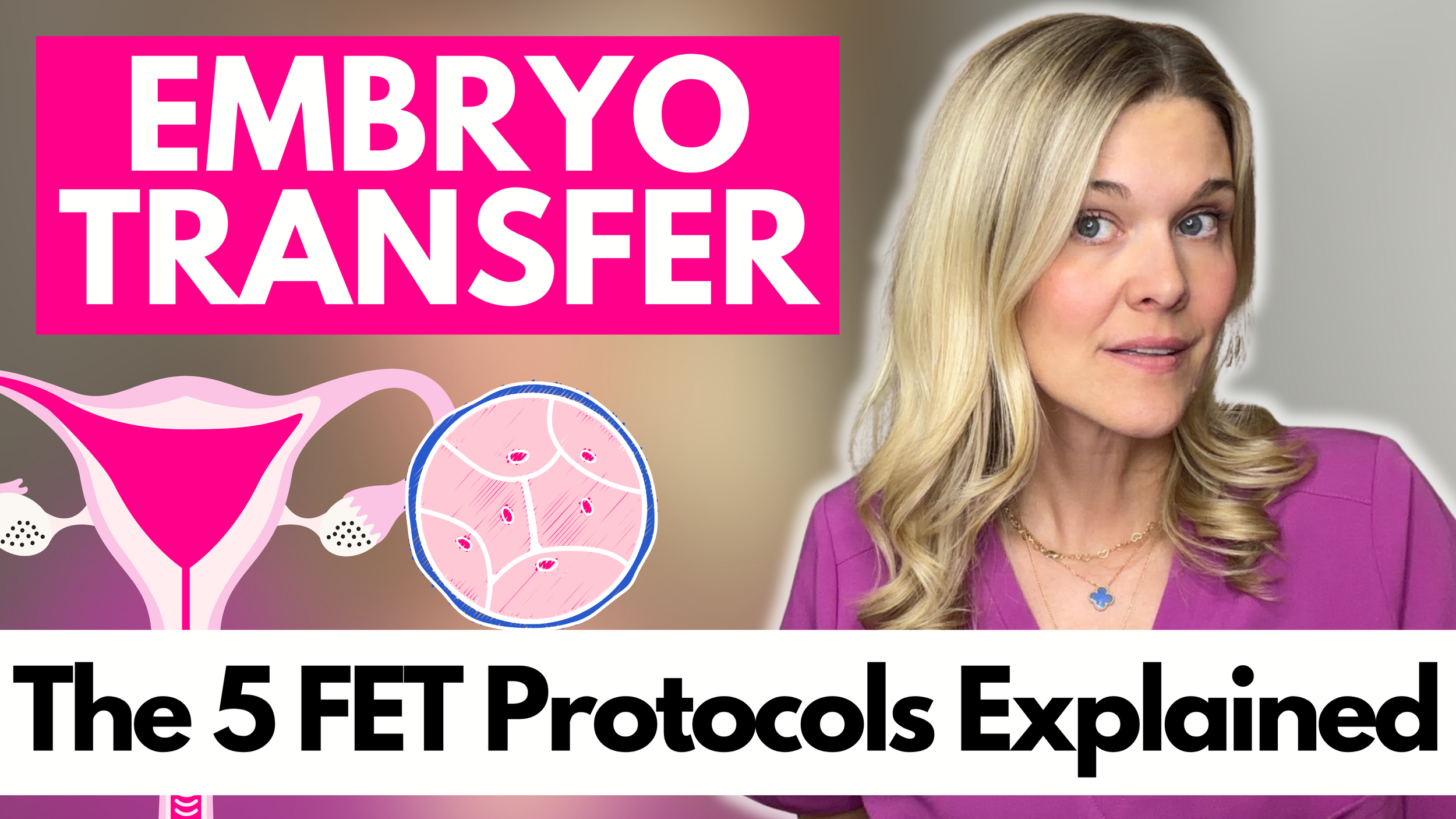
The 5 Embryo Transfer Protocols: How to Know Which One Is Right for You
Dr. Natalie Crawford breaks down the 5 embryo transfer protocols used in IVF and how to know which FET protocol is right for you